each with its unique culture, traditions, and history. The country boasts over 120 tribes, making it a culturally diverse nation. Some of the prominent tribes in Tanzania are: Maasai, Chaga (Chagga), Sukuma, Hadzabe, Datoga, Iraqw, Makonde, Haya, Nyamwezi, Zaramo, Sukuma. These are just a few of the many tribes that make up the cultural mosaic of Tanzania. Each tribe contributes to the country's rich cultural heritage, making Tanzania a vibrant and diverse nation.
The Maasai are perhaps the most well-known of Tanzania's tribes. Renowned for their distinctive dress, vibrant beadwork, and semi-nomadic lifestyle, the Maasai inhabit the northern regions of Tanzania and Kenya. They are traditionally pastoralists, relying on cattle herding as their primary livelihood. The Maasai are known for their warrior culture and intricate rituals.In the quiet village of Maasais, time seems to move at its own unhurried pace, mirroring the tranquil rhythm of the surrounding countryside. The inhabitants of Maasais lead simple yet fulfilling lives, deeply rooted in age-old traditions and a strong sense of community.
Villagers maintain a close-knit community where everyone knows each other by name and often gather at communal events and celebrations. Social interactions are warm and familiar, with a strong emphasis on mutual support and cooperation. Traditional customs and values are cherished, passed down through generations and woven into daily life.
The tradition of jumping in Maasais likely stems from cultural or ceremonial practices that hold symbolic significance within their community. Jumping may be a ritualistic act tied to specific events or celebrations, such as religious festivals, rites of passage, or communal gatherings. In many cultures, jumping can symbolize joy, celebration, renewal, or even a form of communal bonding.
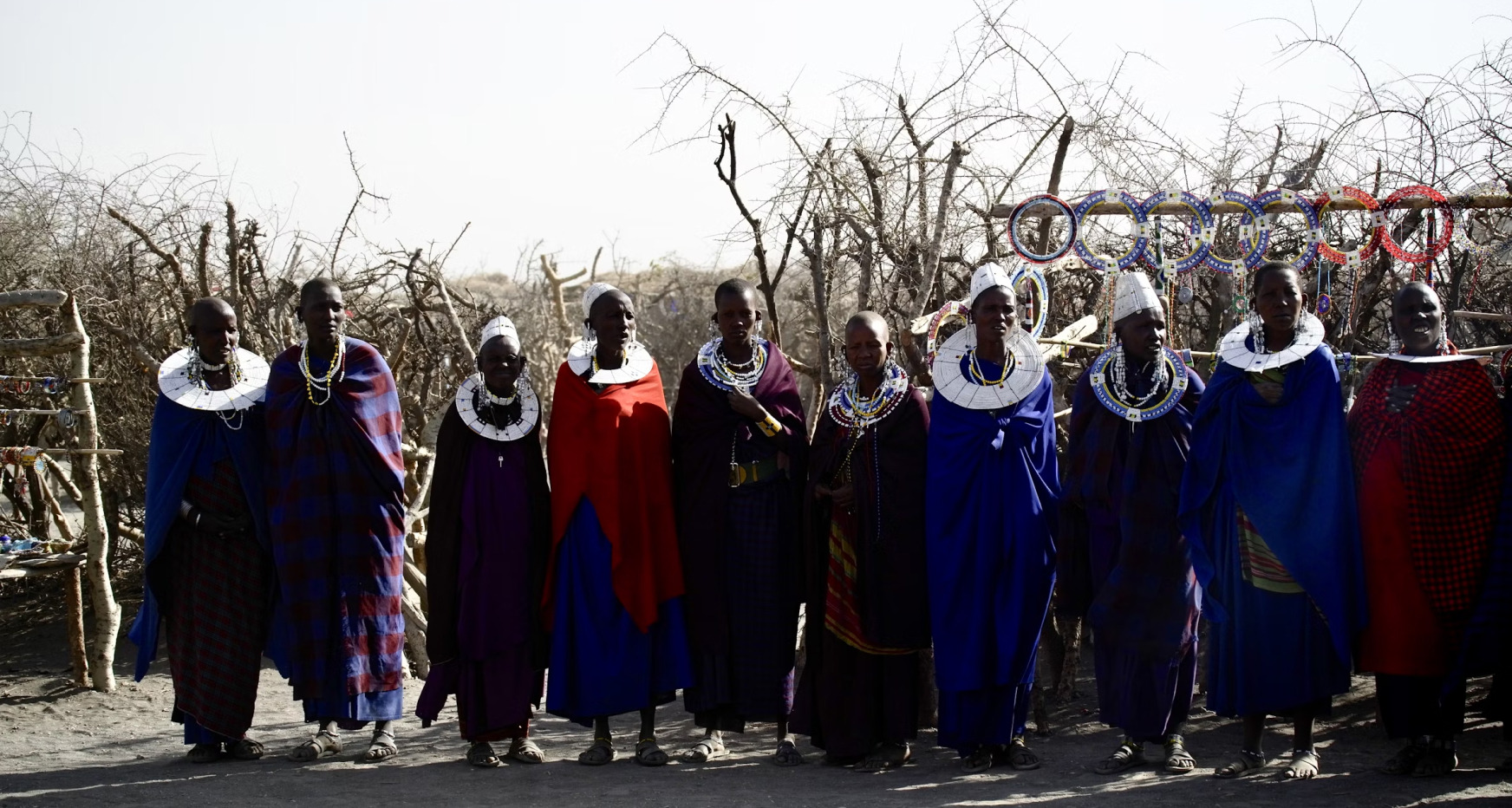
In Maasais, traditional dress reflects both practicality and cultural heritage, embodying a sense of identity and continuity with the village's history.
In some contexts, jumping may also have historical roots or be linked to folklore or legends that are unique to Maasais. For example, it could be a form of dance or movement that has evolved over time to become a customary part of their cultural heritage. Additionally, jumping might serve practical purposes, such as in traditional dances or games that require physical agility and coordination.
Ultimately, the reasons why the people of Maasais jump could be multifaceted, blending elements of tradition, symbolism, community cohesion, and perhaps even elements of spiritual or ceremonial significance that are deeply ingrained in their cultural identity.



.svg)